
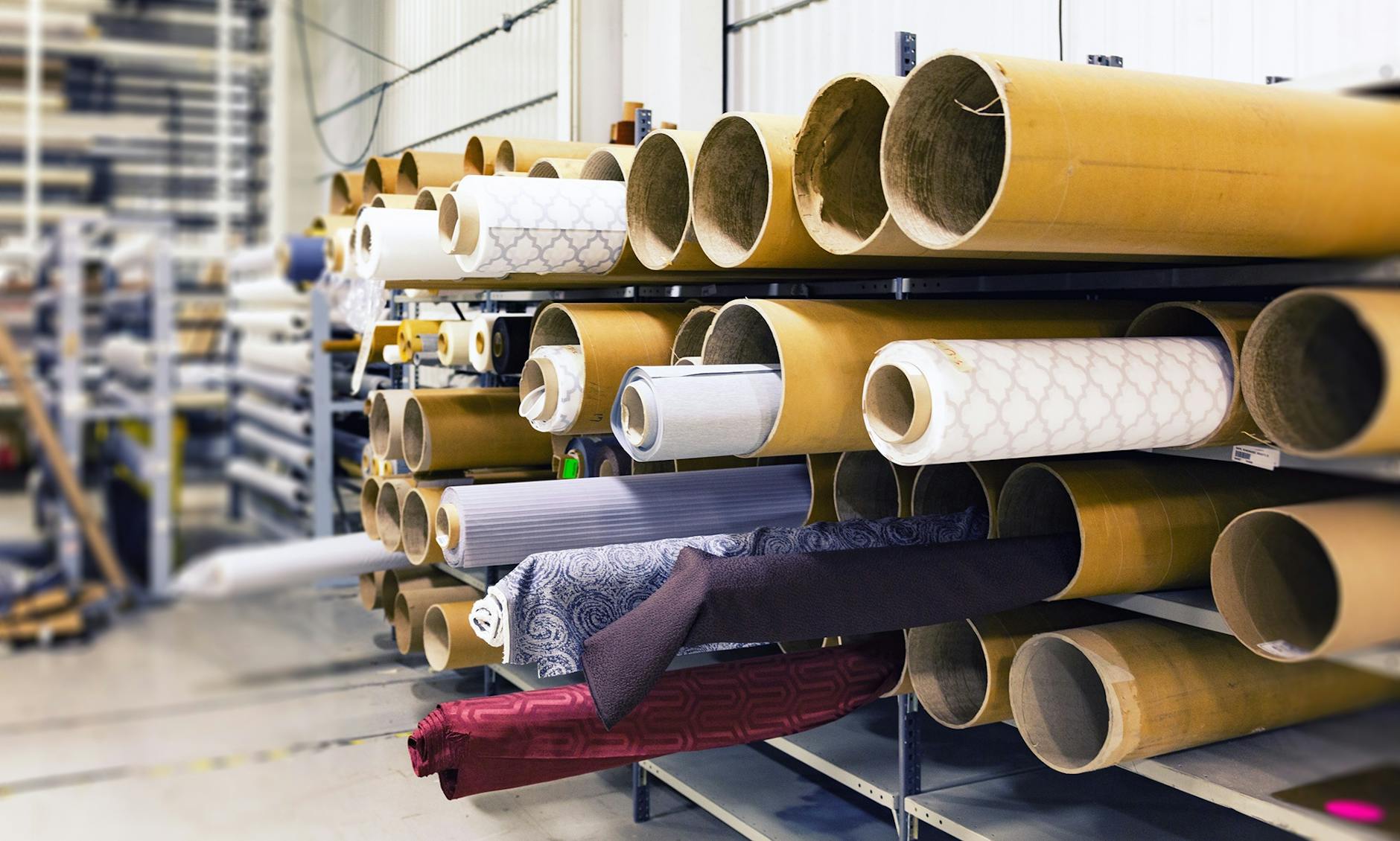
In a sunlit warehouse once used to store colonial-era silks, a new textile future is unfolding—one that blends centuries-old weaving traditions with regenerative farming, equitable commerce, and small-scale cross-border collaboration.
Launched earlier this year, Weavework is a decentralized trade network connecting growers, dyers, spinners, and weavers across the Lira Delta, eastern Ferentha, and the Aeyali Coast. Instead of competing with global supply chains, Weavework builds an interlinked, place-based alternative where each piece of the production process is visible, valued, and local.
“We’re not outsourcing anymore—we’re intersourcing,” said Naveen Taloor, a fourth-generation dyer and founding member of the cooperative. “Every link in the chain matters, and every hand that touches the thread is part of the story.”
Threads of Trust
The Weavework network is built on mutual agreements—not contracts—and uses a regional trade credit system called FiberMarks to facilitate exchanges between members. Farmers receive credits for sustainably grown flax and cotton, which they can then spend on loom repairs, dye batches, or even schooling fees within the network.
Each bolt of cloth sold through Weavework includes a woven ledger strip, embedded with a scannable tag that reveals its full provenance: where the fiber was grown, who spun it, how it was dyed, and the techniques used in weaving.
“When someone buys our cloth, they’re not just buying fabric,” said spinner Alya Varrin of Selvaan, “they’re buying memory, resilience, and intention.”
Reviving and Re-rooting
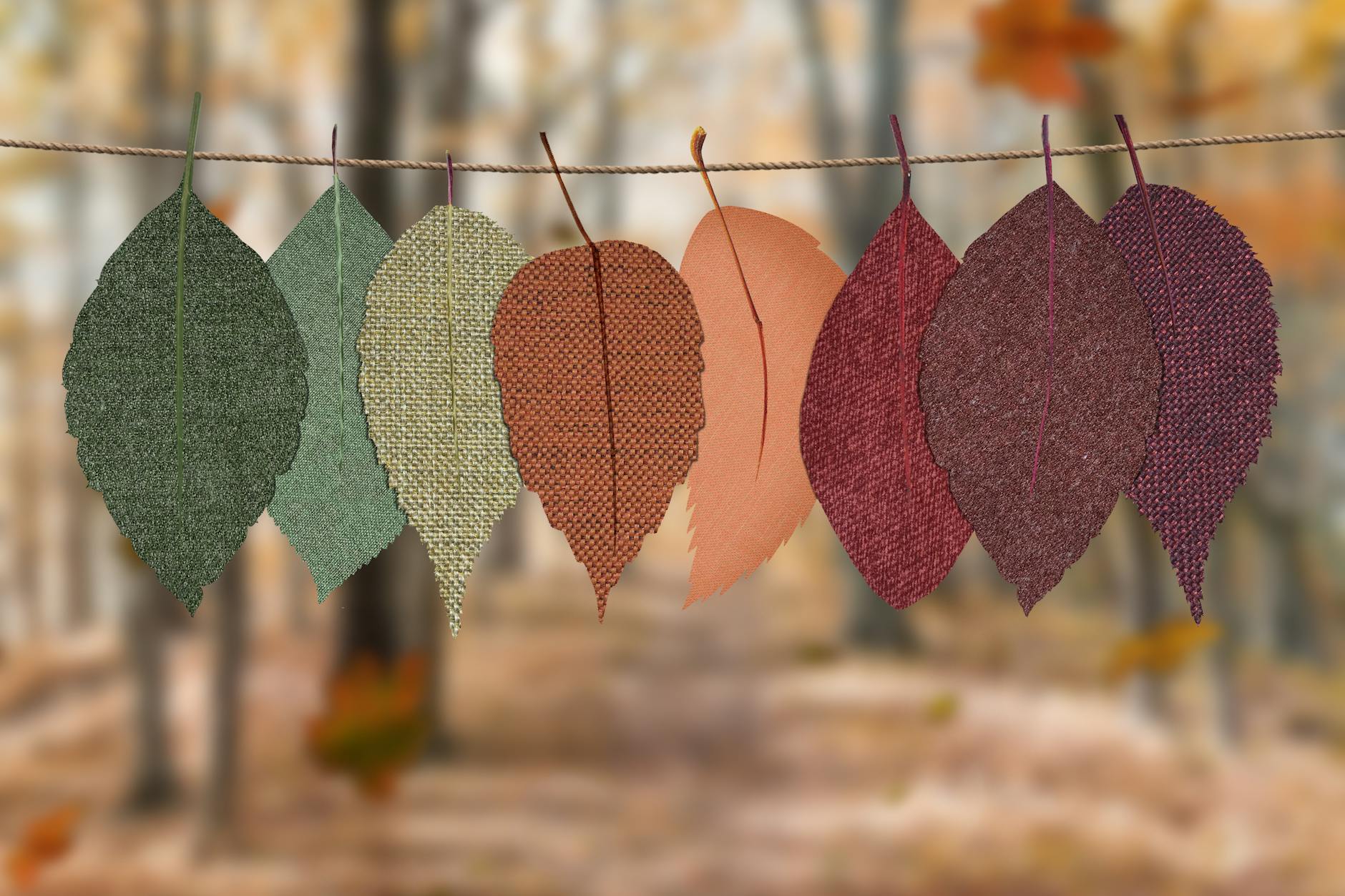
Weavework also invests in reviving pre-industrial techniques once dismissed as obsolete. Across the region, natural dye gardens have been replanted, forgotten loom styles are being restored, and elders from coastal weaving guilds now lead apprenticeships for younger artisans eager to learn rhythmic, meditative handwork rarely practiced outside ceremonial contexts.
In the Aeyali village of Tenara, where bark-spun thread was last woven in the 1960s, a local cooperative has now completed its first full-length barkcloth commission in over 40 years.
“This is not nostalgia,” said ethnobotanist and network advisor Dr. Fenya Els, “this is adaptation—reclaiming what was nearly lost to serve what’s needed now.”
Export Without Extraction
Though Weavework’s focus is regional, demand for its textiles is growing abroad—particularly from designers and institutions seeking ethical sourcing with deep narrative value. A curated export catalog offers limited-edition pieces through seasonal bundles, each tied to agricultural rhythms and cooperative capacity.
Rather than exporting raw materials or undervalued labor, Weavework exports finished goods at fair prices—directly from maker to buyer, without middle layers siphoning value.
All export profits are reinvested into the network’s Shared Infrastructure Fund, which supports solar dye pits, cooperative transport vehicles, and seed libraries for heritage cotton strains.
Growing at the Speed of Consent
Weavework currently includes over 320 members across 34 villages and towns. Growth is intentional and measured; new nodes must be invited by consensus and demonstrate a commitment to agroecology, mutualism, and cultural stewardship.
“We’re not racing to scale,” said Taloor. “We’re growing at the speed of trust.”
The next phase includes building a regional textile school-on-wheels, a shared fabric finishing house, and a multilingual storytelling archive where each pattern, stitch, and dye can be traced not just to a process—but to a place and a people.
The Fabric of the Future
As industrial fast fashion faces backlash and climate resilience becomes a pressing concern, initiatives like Weavework offer a grounded, durable alternative—less concerned with trend, more aligned with tradition, intention, and continuity.
“Textiles have always carried more than warmth,” said weaver Sorani Del, gesturing to a length of blue-and-madder cloth drying in the wind. “They carry culture. They carry care. And now, they carry change.”